
The Narrator’s Unreliable Account
The Murder of Roger AckroydThis flow traces how Sheppard’s formally truthful account manipulates emphasis, omission, and reader expectation.
increasing Bearing strength in each event
 decreasing
Bearing strength in each eventdecreasingA Medical Witness Writes

A Medical Witness Writes
A claim of accuracy
Sheppard presents his story as a careful record of events. His professional identity encourages confidence in his observations and judgments.
A selective perspective
He records what he chooses to notice and frames other people through his own assumptions. The reader initially receives no reason to suspect that the narrator is shaping a defense.
The Missing Ten Minutes
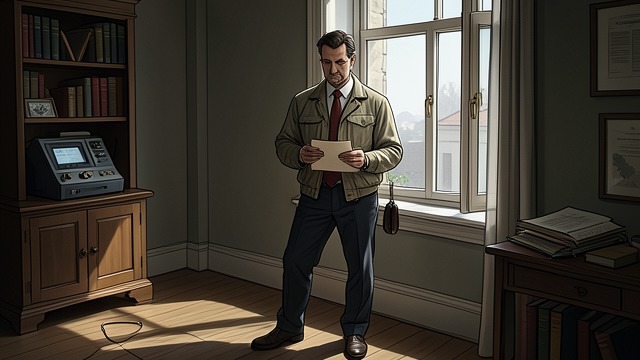
The Missing Ten Minutes
A sentence that conceals
Sheppard states that Ackroyd received the letter and that he left at ten minutes to nine, but does not narrate what happened in between.
Truth arranged as camouflage
The statements are individually accurate, yet their juxtaposition hides the murder. Poirot later identifies the gap as both temporal evidence and a lesson in narrative manipulation.
A Watson-Like Companion
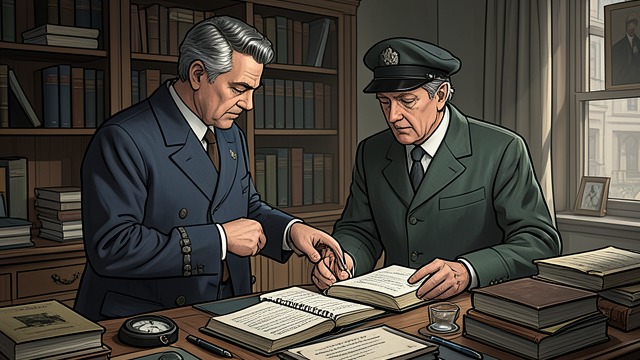
A Watson-Like Companion
The apparent partnership
Sheppard accompanies Poirot, records discoveries, and presents himself as an observant assistant. His account resembles a companion’s chronicle of a detective’s work.
A hidden advantage
The position lets him influence what the reader knows while appearing to share Poirot’s inquiry. He knows the crime’s construction because he created it.
The Manuscript as Evidence
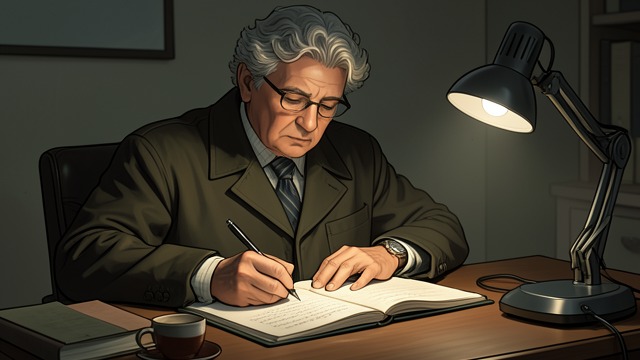
The Manuscript as Evidence
A record examined
Poirot praises the manuscript’s factual precision but notices its reticence. It does not merely describe the case; its omissions reveal the author’s position within it.
The reader’s perspective reverses
The document becomes evidence against its writer. Sheppard’s restrained narration no longer signals modesty alone but a deliberate control of disclosure.
The Author Confesses
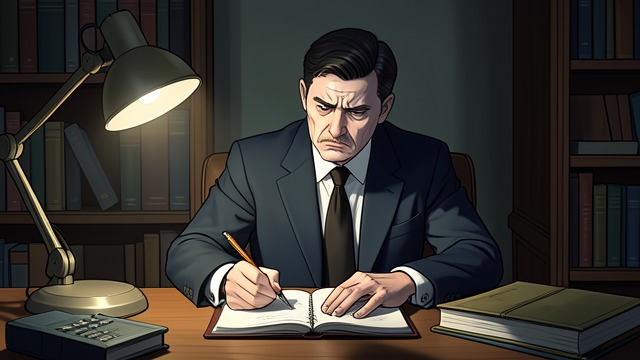
The Author Confesses
A second account
Sheppard continues the manuscript after Poirot identifies him. He now describes the murder, planted clues, and false telephone call that his earlier account concealed.
Control reaches its limit
The confession restores facts but cannot undo the narrative deception or the murder. The book ends with the criminal narrator trying to dictate the final meaning of his own story.
After the murder, as Sheppard begins his account
Friday evening, between the letters’ arrival and Sheppard’s departure
During Poirot’s investigation
Near the ending, when Poirot reads the manuscript
Five in the morning after Poirot’s accusation
